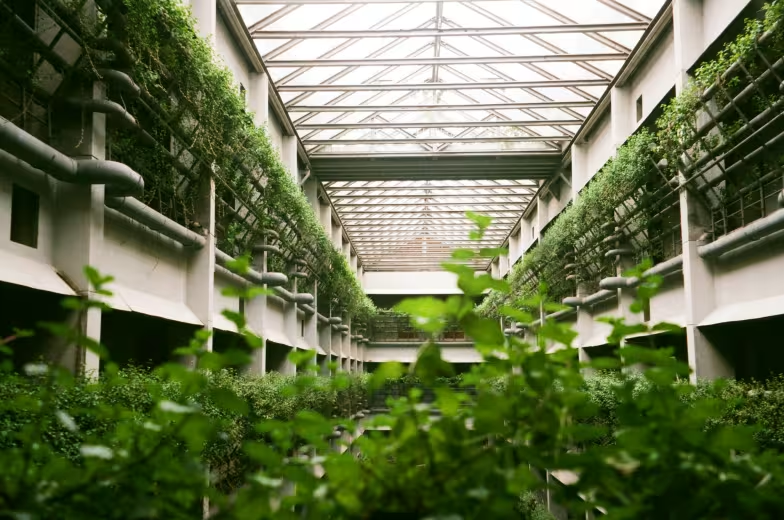
A July 2026 longitudinal study from the German KORA cohort investigated whether long-term exposure to environmental factors affects the development of prediabetes, the likelihood of recovery to normal glucose levels, and progression to Type 2 diabetes. Researchers followed participants between 2006 and 2022 and assessed exposures including air pollution, temperature variability, urbanisation, night time light exposure, and access to green space.
Key findings
The study found that people exposed to:
- Higher levels of air pollution (especially PM2.5)
- Less surrounding green space
- More artificial light at night
- More densely built urban environments
- Greater temperature variability
were more likely to develop certain forms of prediabetes. Environmental exposure mixtures combining these factors were associated with an increased risk across multiple prediabetes phenotypes.
Researchers also observed that individuals living in greener environments were more likely to return from prediabetes to normal glucose regulation, while higher light-at-night exposure and less green space were associated with lower chances of remission.
Why this matters
This research suggests that diabetes prevention may depend not only on individual lifestyle choices but also on the environments in which people live. Factors such as air quality, access to green spaces, urban design, and climate-related exposures may influence metabolic health before diabetes develops.
Key takeaway
Long-term exposure to air pollution and unfavourable urban environments appears to increase the risk of developing prediabetes, while greener living environments may support recovery to normal glucose regulation. These findings highlight the importance of environmental determinants of health in diabetes prevention.
Reference: Association of long-term exposure to air pollution, built environment and air temperature with the incidence of prediabetes phenotypes, and prediabetes remission and progression to type 2 diabetes: a longitudinal study in the KORA cohort, Diabetologia (July 2026) (springer.com)