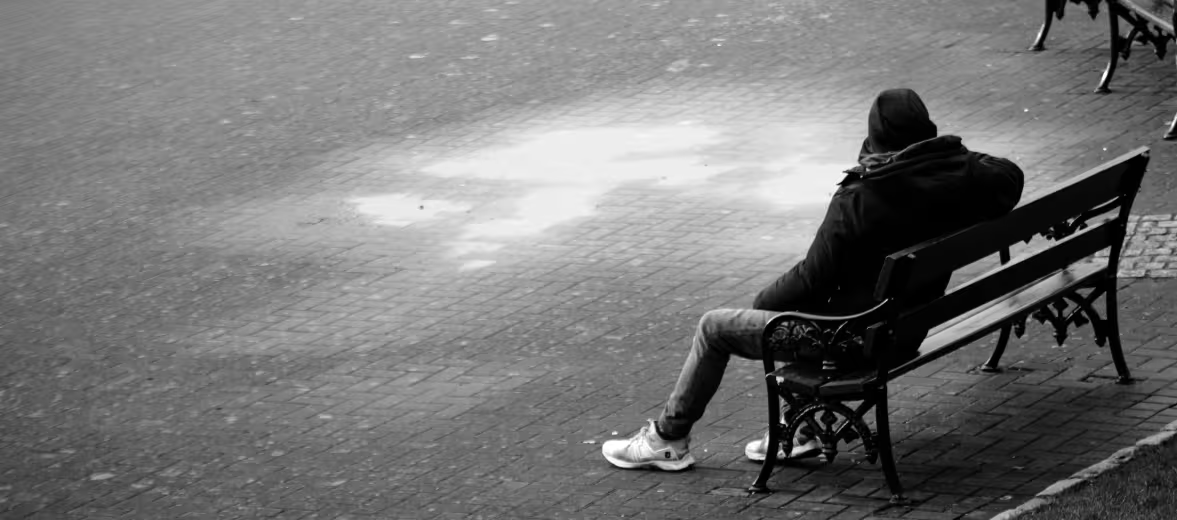
A study, published in Frontiers in Sociology on 21 April 2026 covering Germany, Greece, Ireland, Poland, Spain and Sweden found that higher loneliness was consistently associated with poorer self-rated health across all countries examined. Women and younger populations appeared particularly affected.
The authors note in the concluding remarks that:
'Taken together, the findings point to the role of cultural norms, gendered social roles and the distribution of resources in shaping both loneliness and its health implications. Policy responses should prioritize young adults, women, and socioeconomically disadvantaged groups, consistent with the observed patterns in loneliness and self-rated health (SRH). It is particularly important to integrate brief loneliness identification tools not only in primary care and public health services, but also in educational settings and social/community services, alongside clear referral pathways to community participation and social integration resources. A life-course and gender-sensitive approach is needed to avoid “one-size-fits-all” solutions that risk perpetuating inequalities.'